
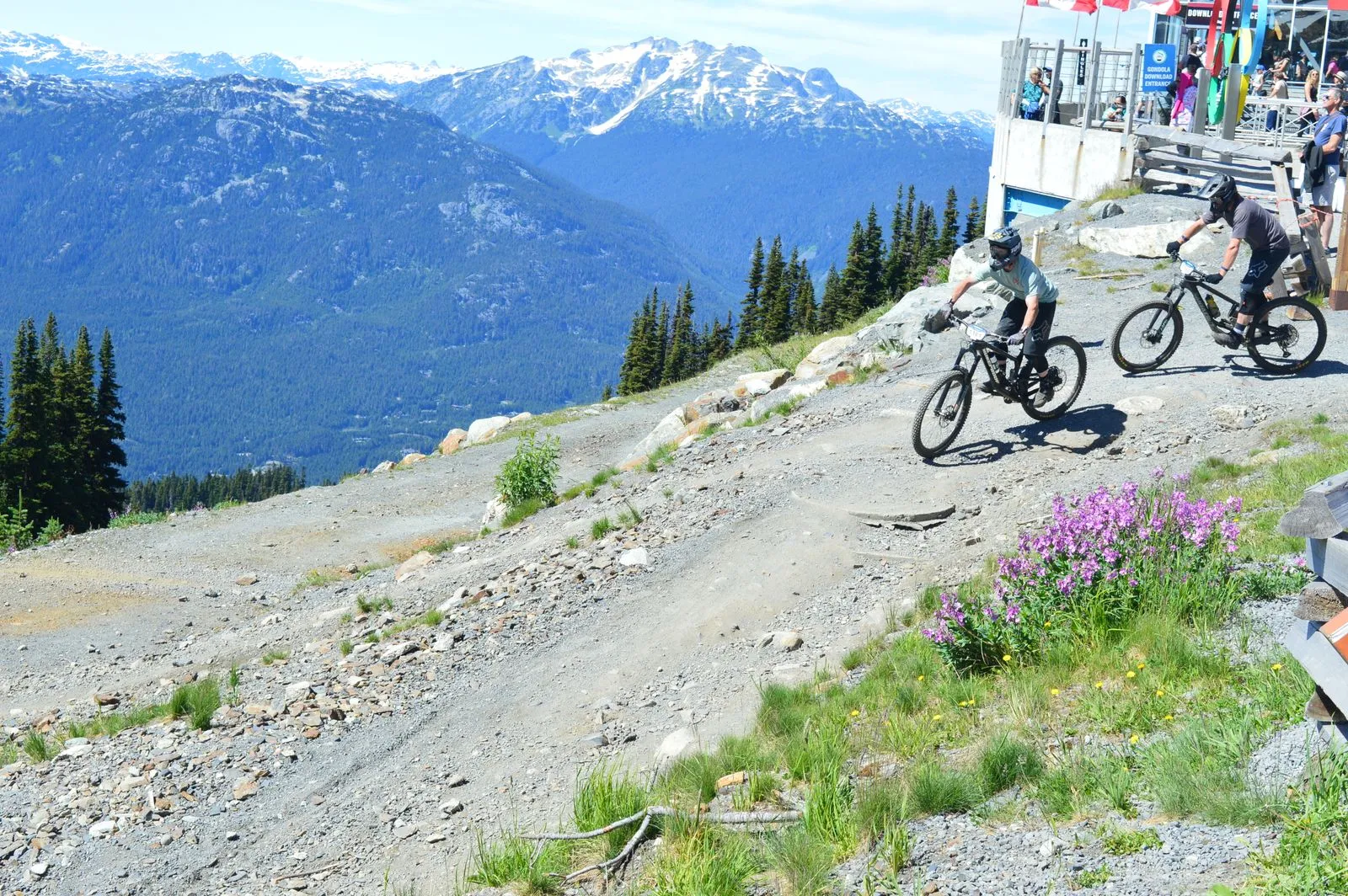
A few minutes of basic mountain bike maintenance can help you spot problems before they interrupt a ride. Before heading out, check that your tires are suited to the trail, your brakes respond consistently, your chain is clean and lubricated, and your gears shift smoothly. These checks do not replace a professional service, but they can help you ride with more confidence and notice when something needs attention. Use this simple routine before each ride.
Check Tire Pressure and Condition
Press each tire with your thumb to catch an obviously soft tire, but use a pressure gauge for a more reliable check. Follow the pressure range printed on the tire or the guidance for your bike and tire setup. The right pressure depends on factors such as rider weight, trail surface, tire width, and whether you use inner tubes or a tubeless system.
Look over the tread and sidewalls for cuts, embedded debris, bulges, or exposed threads. Remove small debris carefully, and avoid pulling out anything that may be sealing a tubeless puncture until you are ready to repair it. If a tire repeatedly loses air or has visible damage, do not rely on pumping it up before every ride; have the cause checked.
Test Both Brakes
With the bike stationary, squeeze each brake lever separately. The lever should feel firm and should not pull all the way to the handlebar. Walk the bike forward and apply each brake to confirm it slows or stops the wheel. Check both brakes rather than assuming one is working because the other feels normal.
Look for obvious problems such as a loose lever, damaged hose or cable, unusual rubbing, or a sharp change in braking feel. Keep oil, chain lubricant, and cleaning products away from brake rotors and pads. If a brake feels weak, makes a persistent unusual noise, or leaks fluid, avoid riding until it has been inspected.
Clean and Lubricate the Chain
A chain coated in grit wears faster and can make shifting noisy. Wipe it with a clean rag, turning the pedals backward by hand while keeping fingers clear of the chainrings and other moving parts. If the chain is heavily dirty, use a bike-safe degreaser according to its instructions, then dry the chain before applying lubricant.
Apply a small amount of bicycle chain lube to the rollers while slowly turning the pedals backward. Let it settle as directed on the product, then wipe away excess from the outside of the chain. Excess lubricant attracts dirt. Use a lubricant suited to your riding conditions, and do not substitute household oils or spray products that may contaminate the brakes.
Check Shifting Before You Go
Shift through the gears while turning the pedals gently. The chain should move across the cassette without skipping, grinding, or hesitating. Avoid shifting under heavy pedaling force, especially on a climb; ease your pedal pressure briefly as you change gears to reduce strain on the drivetrain.
If the chain jumps off, a gear will not engage, or shifting has become unreliable, do not force the shifter. Check for visible damage to the derailleur, chain, or wheel, and make sure the rear wheel is seated securely. Persistent shifting trouble may need adjustment or repair, so have it checked before a demanding ride. High Plains Cycles can help with service when a quick check is not enough.
Make tire, brake, chain, and shifting checks part of your pre-ride routine. They take only a few minutes and can reveal issues while you are still at home, where repairs are easier and safer. If you find damage, a leak, or a problem you cannot identify, pause the ride and ask a bike mechanic to inspect it.